Hej!
Wybacz głupie pytanie, mało zorientowanego człowieka, ale ten skrypt to gdzie powinien być?
Nie jesteś zalogowany. Proszę się zalogować lub zarejestrować.
RASTER Music Tracker 1.36.0 Nowa wersja popularnego programu RASTER Music Tracker 1.36.0 m.in. wsparcie dla skryptów i dużo, dużo więcej!
Gearlynx 1.2.32 Aktualizacja emulatora Gearlynx z poprawkami VSync i lepszą obsługą kontrolerów.
NGA 0.9.3. Nowatorski asembler 6502 NGA automatyzuje zarządzanie pamięcią 6502, wykrywając błędy w fazie budowy.
Elite FireBird dla Atari 8-bit Zakończono prace nad portem gry Elite w wersji FireBird dla 8-bitowych komputerów Atari.
CAS2Audio 1.0.7 Aktualizacja narzędzia CAS2Audio przynosi odświeżony interfejs i lepszą obsługę plików taśm.
atari.area forum » Posty przez seban
Hej!
Wybacz głupie pytanie, mało zorientowanego człowieka, ale ten skrypt to gdzie powinien być?
no bez "--target=rpi" to masz wcześniejszego log-a, o którym pisałeś że brakuje być może plików.
Do kompletu na forach i w doc-ach piszą że jak budujesz bez target (co zresztą też nie działa), to budujesz wersję SDL, bez Open GLES... które to SDL na Raspberry PI niedomaga ;/ brak wsparcia sprzętowego, brak double-buffer, brak v-sync, software blits only, etc. czyli ogólnie rzecz biorąc "el masakra".
Zależy mi na wersji 3.1.0 ze wsparciem Open GLES, i napisałem post na forum raspberry pi, do autora tego kodu, ale się okazuje że forum jest ultra moderowane, mojego posta nie widać i nie będzie widać do czasu aż jakiś moderator nie zechce zatwierdzić moich wypocin.
ja nie twierdzę że tak nie jest, tylko nie wiem gdzie mam się zaczepić aby coś więcej się dowiedzieć, nawet jeżeli doszedłbym czego mi brakuje, to według tego co napisali tutaj: http://sourceforge.net/p/atari800/mailm ... /30753436/ ... to i tak zbudowałbym wersję SDL, która na Rasppi nie nadaje się do użytku...
Without cross-compiling you can build regular SDL without OpenGL at all (like on other linux'es).
But it's looks ugly on raspberry pi. I dont know how to detect build for raspberry without additional command line options.
Now it's configured for cross build (with --target==rpi).
a próby kompilacji z '--target=rpi' natwynie również nie udają się bo:
Hi)
--target=rpi is configured for cross compiling. You can read build
instructions how to setup it. Building on raspberry is tooooo slow.
22.04.2013 0:01 пользователь "Jan Krupka" <krupkaj@...> написал:
i u mnie kończy się to tak:
pi@raspberrypi ~/atari800-3.1.0/src $ ./configure --target=rpi
checking build system type... armv7l-unknown-linux-gnu
checking host system type... armv7l-unknown-linux-gnu
checking for gcc... /bin/arm-linux-gnueabihf-gcc
checking whether we are cross compiling... yes
checking for suffix of object files... configure: error: in `/home/pi/atari800-3.1.0/src':
configure: error: cannot compute suffix of object files: cannot compile
See `config.log' for more details
jest jeszcze jeden wątek, i to jest jakaś nadzieja na przyszłość, ale to pewnie potrwa zanim ujrzy światło dzienne:
http://sourceforge.net/p/atari800/mailm ... /33673846/
w chwili obecnej build atari800-3.0.0 ze wsparciem Open GLES zawsze się synchronizuje z v-blank, tzn. nie działa Turbo Mode (F12), prędkość jest ograniczona przez v-sync i pomimo włączenia Turbo i tak emulator nie osiągnie prędkości większej niż 100%. Ale to niewielki koszt za ultra płynne scrolle, działający poprawnie interlace i pozostałe wszystkie niuanse, które powodują że całość bardzo zbliża się do oryginału :)
Cześć,
Dokładnie tak próbowałem zrobić ale chyba czegoś brakuje, albo coś źle robię, bo 'make' po configure kończy się u mnie tak:
pi@raspberrypi ~/atari800-3.1.0/src $ make
gcc -c -o afile.o -DHAVE_CONFIG_H -I. -O2 -Wall -ansi -pedantic -Waggregate-return -Wmissing-declarations -Wmissing-prototypes -Wstrict-prototypes -Winline -Wredundant-decls  afile.c
gcc -c -o antic.o -DHAVE_CONFIG_H -I. -O2 -Wall -ansi -pedantic -Waggregate-return -Wmissing-declarations -Wmissing-prototypes -Wstrict-prototypes -Winline -Wredundant-decls  antic.c
gcc -c -o atari.o -DHAVE_CONFIG_H -I. -O2 -Wall -ansi -pedantic -Waggregate-return -Wmissing-declarations -Wmissing-prototypes -Wstrict-prototypes -Winline -Wredundant-decls  atari.c
gcc -c -o binload.o -DHAVE_CONFIG_H -I. -O2 -Wall -ansi -pedantic -Waggregate-return -Wmissing-declarations -Wmissing-prototypes -Wstrict-prototypes -Winline -Wredundant-decls  binload.c
gcc -c -o cartridge.o -DHAVE_CONFIG_H -I. -O2 -Wall -ansi -pedantic -Waggregate-return -Wmissing-declarations -Wmissing-prototypes -Wstrict-prototypes -Winline -Wredundant-decls  cartridge.c
gcc -c -o cassette.o -DHAVE_CONFIG_H -I. -O2 -Wall -ansi -pedantic -Waggregate-return -Wmissing-declarations -Wmissing-prototypes -Wstrict-prototypes -Winline -Wredundant-decls  cassette.c
gcc -c -o compfile.o -DHAVE_CONFIG_H -I. -O2 -Wall -ansi -pedantic -Waggregate-return -Wmissing-declarations -Wmissing-prototypes -Wstrict-prototypes -Winline -Wredundant-decls  compfile.c
gcc -c -o cfg.o -DHAVE_CONFIG_H -I. -O2 -Wall -ansi -pedantic -Waggregate-return -Wmissing-declarations -Wmissing-prototypes -Wstrict-prototypes -Winline -Wredundant-decls  cfg.c
gcc -c -o cpu.o -DHAVE_CONFIG_H -I. -O2 -Wall -ansi -pedantic -Waggregate-return -Wmissing-declarations -Wmissing-prototypes -Wstrict-prototypes -Winline -Wredundant-decls  cpu.c
gcc -c -o crc32.o -DHAVE_CONFIG_H -I. -O2 -Wall -ansi -pedantic -Waggregate-return -Wmissing-declarations -Wmissing-prototypes -Wstrict-prototypes -Winline -Wredundant-decls  crc32.c
gcc -c -o devices.o -DHAVE_CONFIG_H -I. -O2 -Wall -ansi -pedantic -Waggregate-return -Wmissing-declarations -Wmissing-prototypes -Wstrict-prototypes -Winline -Wredundant-decls  devices.c
gcc -c -o emuos.o -DHAVE_CONFIG_H -I. -O2 -Wall -ansi -pedantic -Waggregate-return -Wmissing-declarations -Wmissing-prototypes -Wstrict-prototypes -Winline -Wredundant-decls  emuos.c
gcc -c -o esc.o -DHAVE_CONFIG_H -I. -O2 -Wall -ansi -pedantic -Waggregate-return -Wmissing-declarations -Wmissing-prototypes -Wstrict-prototypes -Winline -Wredundant-decls  esc.c
gcc -c -o gtia.o -DHAVE_CONFIG_H -I. -O2 -Wall -ansi -pedantic -Waggregate-return -Wmissing-declarations -Wmissing-prototypes -Wstrict-prototypes -Winline -Wredundant-decls  gtia.c
gtia.c: In function 'GTIA_GetByte':
gtia.c:532:16: error: 'INPUT_CONSOL_OPTION' undeclared (first use in this function)
gtia.c:532:16: note: each undeclared identifier is reported only once for each function it appears in
gtia.c:535:16: error: 'INPUT_CONSOL_START' undeclared (first use in this function)
Makefile:82: polecenia dla obiektu 'gtia.o' nie powiodły się
make: *** [gtia.o] Błąd 1
chyba nie tylko ja mam problem... http://sourceforge.net/p/atari800/mailm ... /30753436/
i dodam że nie chcę budować wersji SDL tylko taką renderującą przez Open GL ES. Wersja 3.0.0 działa prawie doskonale (z wyjątkiem tego co pokazałem wyżej), szybko i bardzo bardzo dobrze radzi sobie z synchronizacją, trybami interlace, płynne scrollingi, etc.
a z tego co widać wyżej również wersja SDL się nie chce kompilować, a ./configure --target=rpi nie działa u mnie również.
To chyba zostaje mi tylko próba z cross-compile ;/ Chociaż patrząc w źródła kod dla OpenGL jest podobny i pewnie efekt będzie ten sam. Spróbuję napisać do autora wersji OpenGL/RPI.
UPDATE:
Wiem jakiego rodzaju jest błąd, na początek prosty testowy program w Atari BASIC:
10 GRAPHICS 9
20 FOR I=0 TO 15:COLOR I
21 PLOT I,0:DRAWTO I,191
22 PLOT 31-I,0:DRAWTO 31-I,191
25 NEXT I
30 CLOSE #1:OPEN #1,4,0,"K:"
31 FOR I=0 TO 15
32 POKE 712,I*16
33 GET #1,K:IF K=27 THEN 40
34 NEXT I
35 GOTO 31
40 CLOSE #1
99 END
poprawny obraz wygląda np. tak:
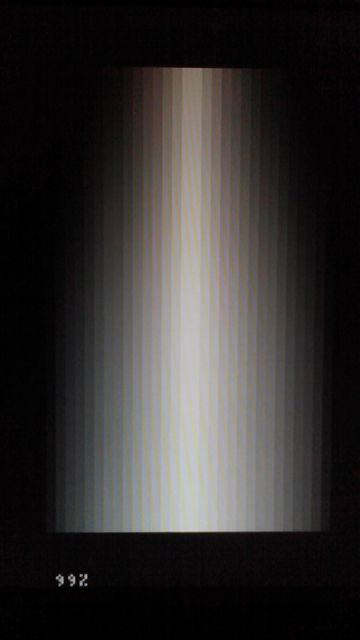
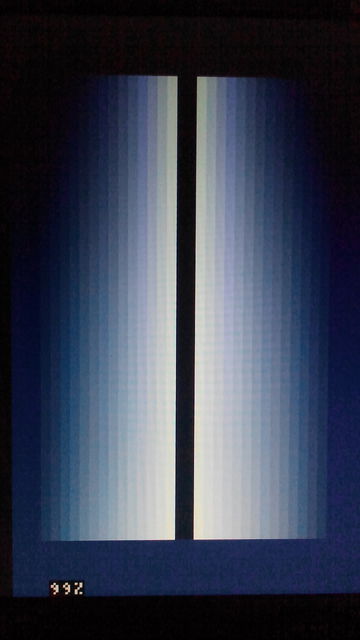
natomiast problemy zaczynają się gdy manipulujemy kolorem tła, wartość koloru $8x-$Fx wpisane do ColBack, powodują że najwyższy stopień jasności ($0F, czyli COLOR 15 w Atari BASIC) staje się kolorem czarnym, co widać na zdjęciu poniżej: (COLBACK=$80)
ps) nie umiem poprawnie skompilować Atari800-3.1.0 bezpośrednio na Raspberry PI, na cross-compilację zgodnie z informacjami w 'build-rpi' nie miałem jeszcze czasu. Czy ktoś ma może skompilowane Atari800-3.1.0 na Raspberry PI?
Panowie,
Nie czuję się kompetentny dołączać do dyskusji, oraz podejmować tematów które poruszacie, ale zupełnie i całkiem serio chciałem wam podziękować za rzeczową i merytoryczną dyskusję. To miła odmiana po tym co się działo trochę wcześniej. Potraficie prowadzić całkiem rzeczową, kulturalną i ciekawą dyskusję na tematy które wcześniej nie były dla mnie interesujące. Sposób prezentacji swojego punktu widzenia i przemyśleń jest również bardzo pozytywny. Dzięki!
na czym staneło z tymi ostatnimi źródlami AspeQT?
Cześć,
Czy ktoś z was spotkał się z takim błędem emulacji w przypadku uruchomienia atari800-3.0.0 na Raspberry Pi2:
zdjęcie (robione tosterem który mialem pod ręką)
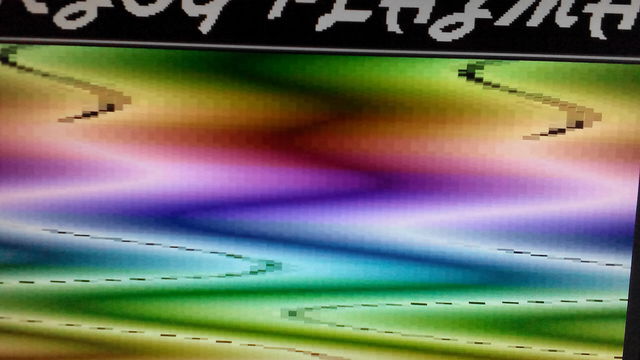
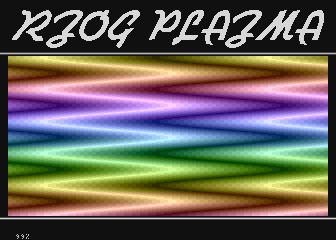
oczywiście screen-shoty (F10) wyglądają bezproblemowo:
ps1) Raspberry Pi2 podpięte przed HDMI, tryb 1080p @ 50Hz
ps2) Muszę sprawdzić jeszcze atari800-3.1.0
@Montezuma: a widzisz, dzięki za wskazówkę... bo ja materiał miałem na 32GB pendrive, dość szybkim, bit-rate filmu nie był taki aby przekraczał możliwości transferu USB czy pendrive, zresztą karta sieciowa w przypadku RaspPi 1/2 wisi również na USB i jest dość kiepskiej wydajności ;/
@AdamK: Na RaspPi2 to jest obecnie OSMC, ale spróbuję również Open Elec. W przypadku RaspPi1 to było to co się nazywało chyba jeszcze XBMC, teraz to ma nazwę Kodi i bazuje na tym OSMC i Open Elec. Z tym że RaspPi to używałem jako player do materiałów SD i do tego nadawało się doskonale, tylko kiepskiej jakości Audio Out oraz Composite Out trochę psuły sprawę, niemiej jednak miałem to podpięte do dużej "bani" typu CRT. Więc niezbyt się przejmowałem się tą jakością :D
Mam oba klucze kupione. Sprawdzone że są aktywne w/g tego co napisali gdy otrzymałem kody które dopisałem do config.txt. Wezmę to wszystko przeinstaluję od nowa i sprawdzę ponownie. Skoro mówisz że u Ciebie działa, dlaczego nie miałoby działać u mnie.
o jak miło... skoro "Pani Lusia" wróciła, to muszę poważnie zastanowić się nad zmianą płci, oł yeah! :) Teraz mam nowy cel w życiu :)
@marekp: dobrze powiedziane... i mimo tego iż to co napisałeś, są tacy którzy nie chcą tego dostrzec. Banda która jest aktualnie przy korycie i tak robi co chce, jedni wariaci, drudzy złodzieje... a my się żremy tutaj prowadząc donikąd prowadzący flame-war, i w dodatku wzajemnie się obrażając. Zdaje sobie sprawę że nie powinienem był po raz kolejny dolewać oliwy do ognia... bo dostałem co chciałem i byłem świadomy że tak będzie, jednak czasami warto pokrzyczeć bo słabo się robi gdy widzi się coś takiego jak to miało miejsce wyżej... jeszcze przed moimi postami.
@BartoszP: no tak... dla mnie już za późno... zapiszę się do ortopedy albo innego lekarza, bo na głowę to już za późno abym się leczył. A i do tego ortopedy to długo będzie trzeba czekać.
#1) A gdzie się podziała pani Lusia? Już do się do niej przyzwyczaiłem :)
#2) A nie mówiłem że w końcu pojawi się argument o emotach :) Robisz niezłą komedię, trudno powstrzymać śmiech :) :] :>
#3) Jesteś przewidywalny w 100% :)
buhahaha... jednak jesteś nieuleczalnym przypadkiem :) nawet nie rozumiesz co się do ciebie pisze :) chłopie radzę abyś poszukał kogoś kto będzie w stanie Ci pomóc... próba zaistnienia tutaj powoduje wprost przeciwny efekt, ile razy jeszcze trzeba napisać Ci że się pogrążasz :) z każdym zdaniem, z każdym słowem... po prostu piękne :)
Nawet nie chce mi się cytować swojego własnego postu... przeczytaj go jeszcze raz, może zrozumiesz :) a jak nie zrozumiesz, to jeszcze raz, i jeszcze raz :) Ja Ci piszę jedno, a TY odwracasz kota ogonem :)
Już to mówiłem, powtórzę jeszcze raz osiągnąłeś niesamowity poziom i zasłużony tytuł "Troling Lever Master - gratuluję!" :D
"double post" się zrobił, proszę moderatora o skasowanie. O ile jakikolwiek moderator jeszcze tu zagląda, bo całkiem możliwe że może mieć już odruchy wymiotne :) niezależnie od tego jakiego jest światopoglądu.
Moje drogie Panie spokojnie, widzę że trafiłem w czuły punkt a może nawet punkty i bynajmniej nie mam tu na myśli punktu G. Gdy w powietrzu niczym jaskółki na wiosnę zaczynają latać argumenty z Freuda, to niechybny znak, że ktoś nie trzyma ciśnienia.
Ależ jest wprost przeciwnie :) Nadal się pogrążasz... czy posiadasz kolego lustro w domu? Spójrz w nie... zastanów się nad sobą, bo do tej pory wszystkie argumenty i inwektywy którymi obrzucasz innych pasują dokładnie do Ciebie... bez wyjątku :) A twoje reakcje pokazują jedynie że "trafiono w czuły punkt", ale nie mój, kogokolwiek innego, ale tylko wyłącznie Twój :P
Pani Lusiu, rozumiem, że wszyscy użytkownicy tego forum przechodzą szkolenie ze znajomości Atariki i są zobligowani do pamiętania nazwisk przyporządkowanych pseudonimom. Aha, no to jest faktycznie argument nie do odparcia. Tak czy inaczej wybacz mi że cię od razu nie poznałem. Gdybym tylko wiedział z kim rozmawiam to bym nawet nie pisnął. Na przyszłość sugeruję jednak zmianę pseudonimu na prawdziwe nazwisko, to tak żebyś był w zgodzie z własnymi słowami i na wypadek gdyby trafił się ktoś jeszcze, kto jak ja nie zna Atariki na wyrywki.
Ojej, jak z dzieckiem... ja Ci piszę o jednym, a ty wylewasz swoje frustracje pisząc sformułowania i tok myślenia "zupełnie od czapy". Jestem prostym szarym człowiekiem, to co robiłem i robię na Atari, daje mi sporo radości i nie po to wkleiłem Ci linka do Atariki, aby oczekiwać na jakikolwiek szacunek dla mojej osoby czy aby się czymkolwiek chwalić. Są ludzie na tym forum którzy zrobili dużo więcej dla całego środowiska Atari niż ja, jak pisałem wyżej, ja to mały mało znaczący szaraczek, dla którego Atari to po prostu hobby. Więc nabijanie się że "gdybyś wiedział kim jestem" jest po prostu kolejnym żałosnym ruchem z twojej strony, więc powtórzę raz jeszcze link, był odpowiedzią na Twój zarzut że jestem równie anonimowy jak ty. Tak naprawdę to całe szczęście że traktujesz mnie jak wroga publicznego nr 1, bo szacunek z twojej strony byłby dla mnie obelgą :]
Przypominam że zarzuciłeś mi że również jestem anonimowy, co jest wierutną bzdurą, co Ci udowodniłem wklejając link właśnie do Atarki, ale ty oczywiście i z tego robisz żenujący cyrk :) Ale szkodzisz tylko sobie, pokazujesz swoją prawdziwą twarz. I nadal ukrywasz się pod pseudonimem jak rasowy trol, tak o wiele łatwiej obrażać wszystkich, prawda? I próbować prezentować swoją "jedynie słuszną" ideologię.
A tak na poważnie, to wyobraź sobie, że są ludzie którzy nie mają w zwyczaju śledzenia innych. Dla mnie nie ma znaczenia skąd i kim jesteś i jakie to fajne zdjęcie umieścisz w swoim profilu. Jeżeli pierniczysz bez sensu to jakież to ma znaczenie? Nawet gdybyś był Bradem Pittem to i tak pierniczenie zostaje pierniczeniem.
EDIT:
Śledzenie... ohhhh... ah tak... to ja chcę śledzić Twoją osobę? Naprawdę przyszło Ci do do głowy? Dawno w dyskusji nie było wybuchów, zamachu... bomb termo-barycznych, sztucznej mgły, konspiracji i spisku :P A Nie zaświtało w twojej biednej głowie że warto wiedzieć z kim próbuje się prowadzić dyskusję? Nie musi być imię i nazwisko, może coś zrobiłeś na ten albo inny komputer lub jakąkolwiek inna platformę. Może można zobaczyć jaką inną Twoją twórczość, poza trolowaniem i segregowaniem ludzi na tym forum, na tych co są "z nami" i tych którzy są "przeciwko nam". Może napisałeś jakieś teksty, opracowania, etc. No ciekawy jestem zakresu twojej innej działalności, intra, dema, arty, grafika, muzyka? Być może Atari wspominasz jako fajną maszynę do grania, pracy, etc. i rozumiem że może nic na ten komputer nie tworzyłeś, ale może są jakieś inne rzeczy, może książki z innego zakresu wiedzy, chciałbym wiedzieć z czystej wewnętrznej ciekawości czym się zajmujesz w pracy, co cię motywuje do takiego a nie innego działania. Jaki jest twój horyzont zainteresowań.
A co do pierniczenia, to jak zwykle "prawie" masz rację :) tylko jak zwykle pomyliło Ci się, bo większości wypadków to pierniczenie wypływa z Twoich ust :)
ps1) jak to napisałeś komuś wcześniej, nie musisz już odpowiadać, bo szkoda prądu, ale twojego a potem również mojego :)
ps2) nie musisz również wyliczać, ilości emotów które umieściłem w tym poście, zapewne tylko po to aby był "cool" :>
ps3) wiem że nie mam szans dyskusji z trolem, tutaj muszę docenić twoje umiejętności, w tym się wyspecjalizowałeś znakomicie... trolling level master, gratuluje.
Skoro skończyłyście wzajemne całowanie się po pupach,
Widzę że tylko tylko takie skojarzenia w Twojej głowie, polecam psychoanalizę Freuda... bo chyba pozostałeś w dzieciństwie bardzo skrzywdzony... http://pl.wikipedia.org/wiki/Teoria_psy ... aza_analna
:D
atari classic style: [ON!]
nie pogrążaj się atari classic, proszę cię... pokaż że masz choć 1% sprawnie działającej sieci neuronowej... myślę jednak że to zbyt trudne dla Ciebie... a więc Ci pomogę... http://atariki.krap.pl/index.php/Seban
atari classic style: [OFF]
W przeciwieństwie do twojej osoby, możesz poznać moje imię, nazwisko... zobaczyć jak wyglądam oraz w jakim jestem wieku.
ps1) skoro musiałem Ci pomóc w ustaleniu mojej tożsamości, to teraz możesz sprawdzić czy nie ma mnie na liście Wildsteina :P
ps2) to nie zrozumiałeś ze "prawdziwy polak" to eufemizm i dotyczy osoby twojego pokroju wtedy piszemy go z małej litery, bo nie zasługujesz na żadną dużą literę? ;-)
Mowa nienawiści mode: [ON!]
@BartoszP: szkoda Twojego czasu i nerwów na dyskusję z tym osobnikiem, jak widzisz zostałem zaszufladkowany do "michnikowskiej stajni". Pan Atari classic przeszkolony przez zastępy wszystkowiedzących prawdziwych polaków i jedynie słuszne media, które wiedzą najlepiej... właśnie prezentuje się w całej okrasie... tylko on boi się przyznać i napisać otwarcie skąd bierze swoje inwektywy i "jedynie słuszną wiedzę", w dodatku jest przekonany że ma 100% słuszność i że wszystkich może obrażać :] Już kiedyś wcześniej w tym wątku wymieniliśmy parę "uprzejmości" i nie darzymy się zbytnią sympatią. Niestety pokonał mnie swoim doświadczeniem i zniżyłem się do jego poziomu, ale zawsze to jedno doświadczenie w życiu więcej. Jego argumenty od tamtego czasu się nie zmieniły... ciągle pisze to samo :)
Najzabawniejsze jest to że że skrywa się pod pseudonimem i nie potrafi pod swoim imieniem i nazwiskiem prezentować swoich poglądów. Ot po prostu kolejny trol. Zawsze będzie szczekał i sączył swój jadek.
Mowa nienawiści mode: [OFF]
ps) tak mam świadomość, że ponownie zniżyłem się do poziomu "Atari Classic" :P
Mówisz o "VC-1 license key", mam oczywiście kupioną (całe 1.2GBP kosztowała) mimo tego jest tak jak pisałem ;/
@drac030: no pozwoliłem odnieść się do Ciebie, ponieważ zwróciłeś mi kiedyś uwagę gdy się wywnętrzyłem przy okazji innego wątku, chodziło o to że powiedziałem o parę słów za dużo niż powinienem, gdyż uważałeś że nie miałem ku temu żadnych powodów. A teraz gdy lecą słowa które sugerują że jeżeli ktoś myśli inaczej niż dana osoba, jeżeli ktoś nie zgadza się z tezą postawioną przez autora wypowiedzi, że prezentuje zupełnie inny pogląd na całą sytuację... to słowa które tutaj padają, jednoznacznie pokazują do wszystkich mających inne zdanie totalny brak szacunku, traktowanie ich jako błądzących i ułomnych. A jednocześnie sugerują że autor tejże wypowiedzi jest autorytetem we wszystkim i wszystko wie najlepiej, a reszta dyskutantów mających odmienne zdanie ... albo nie podzielająca wizji jest automatycznie traktowana jako gorszy gatunek nie posiadający mózgu lub nie używająca go niewłaściwie.
Nic mi niby do tego bo już dawno przestałem brać udział w tej dyskusji, ale przykro mi jest po prostu jak widzę takie coś, to jak obraża się kolejnych ludzi związanych w jakimś stopniu ze wszystkim co związane z Atari. Niestety utwierdza mnie to tylko z mojej wcześniejszym postrzeganiu tego typu ludzi, a do tego takie posty, które tutaj widzę tylko utwierdzają mnie w moim przekonaniu że merytoryczna dyskusja w takich wypadkach nie jest możliwa.
To ja się wtrącę do dyskusji... bo 1080p i MKV... to w moim przypadku nie mogę mówić o jakiejkolwiek płynności, po zapuszczeniu dowolnego MKV utworzonego przez make-mkv z BlueRay... jedyne to widzę to katastrofalnie tnący się obraz o na poziomie ~12 klatek na sekundę. Jednym słowem porażka, oczywiście mówię o RaspPi2 i XBMC.
No i oczywiście RaspPi2 na ma żadnego SPDIF, trzeba kupić external DAC-a z wyjściem SPDIF czy TOSLINK, np. taki:
@drac030: i teraz nie bedzie watku o "mowie nienawisci"? :)
Panowie, chyba macie krotka pamiec :) juz byla o tym mowa i przeprowadzone mini dochodzenie :P
Pod Linux-em jeszcze gorzej... na początek wyszło na jaw że producentem "bebechów" tego napędu jest "Mitsumi":
[  150.768132] usb 1-2: new full-speed USB device number 3 using ohci_hcd
[  151.311480] usb 1-2: New USB device found, idVendor=03ee, idProduct=6901
[  151.311484] usb 1-2: New USB device strings: Mfr=1, Product=2, SerialNumber=0
[  151.311486] usb 1-2: Product: MITSUMI0
[  151.311488] usb 1-2: Manufacturer: MITSUMI0
[  152.025418] Initializing USB Mass Storage driver...
[  152.025529] scsi3 : usb-storage 1-2:1.0
[  152.025582] usbcore: registered new interface driver usb-storage
[  152.025583] USB Mass Storage support registered.
[  153.250783] scsi 3:0:0:0: Direct-Access     MITSUMI  USB UFDD 061M    0.00 PQ: 0 ANSI: 0 CCS
[  153.253361] sd 3:0:0:0: Attached scsi generic sg2 type 0
[  153.506616] sd 3:0:0:0: [sdb] Attached SCSI removable disk
[  179.394651] sd 3:0:0:0: [sdb] 2880 512-byte logical blocks: (1.47 MB/1.40 MiB)
i wszystko jest oczywiście super do czasu aż do napędu włoży się dyskietkę 720K:
[  469.123620] Buffer I/O error on device sdb, logical block 0
[  469.123646]  sdb: unable to read partition table
[  477.539223] sd 3:0:0:0: [sdb] Unhandled sense code
[  477.539226] sd 3:0:0:0: [sdb]  Result: hostbyte=DID_OK driverbyte=DRIVER_SENSE
[  477.539228] sd 3:0:0:0: [sdb]  Sense Key : Medium Error [current]
[  477.539230] sd 3:0:0:0: [sdb]  Add. Sense: Incompatible medium installed
[  477.539233] sd 3:0:0:0: [sdb] CDB: Read(10): 28 00 00 00 00 00 00 00 08 00 00 00
[  477.539237] end_request: I/O error, dev sdb, sector 0
[  477.539241] Buffer I/O error on device sdb, logical block 0
linijka tekstu z dmesg-a mówiąca:
[sdb] Add. Sense: Incompatible medium installedSugeruje że napęd nie obsługuje po prostu gęstości 720k, a gdy już kernel się odczepił od napędu ufiformat powiedziało co następuje:
root@lxde:/home/seban# ufiformat -i /dev/sdb
vendor:  MITSUMI
product: USB UFDD 061M
write protect: off
media type: 2HD
status      block size   kb
formatted    2880  512 1440
formattable  2400  512 1200
formattable  1232 1024 1232
formattable  2880  512 1440
root@lxde:/home/seban# ufiformat -v -f 720 /dev/sdb
format on device=/dev/sdb, size=720
/dev/sdb: media type mismatch
z punktu widzenia ufiformat dyskietka jest typu HD, próba formatowania na 720k kończy się "media type mismatch".
atari.area forum » Posty przez seban
Wygenerowano w 0.092 sekund, wykonano 18 zapytań